The Little Folder That Speaks for You: A Winter Medicine Handover for Carers
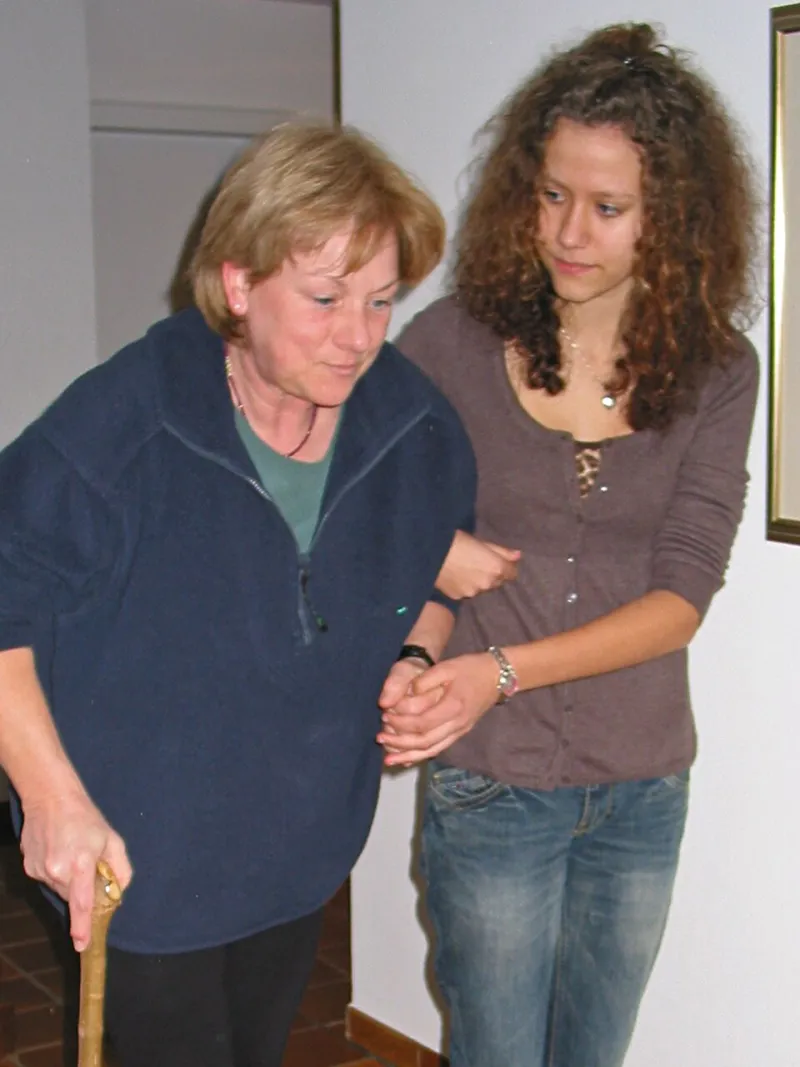
Photo: Produnis, CC BY-SA 3.0, via Wikimedia Commons
Caring for someone else’s medicines rarely feels dramatic. It is usually a text before lunch, a repeat prescription collected on the way past, a phone call to check the tablets were taken, or a quick look at the kitchen counter when you pop in. But when the weather turns, those small jobs can start to feel heavier. Roads get slippery, pharmacy queues get longer, and a missed collection on a Friday can suddenly look like a weekend problem.
A simple handover folder is not about turning you into a medical secretary. It is a practical way of making sure the important facts travel with the person you help — whether that is to a pharmacy counter, a hospital appointment, a neighbour stepping in, or another family member covering for a week.
Start with the basics — not the whole life story
You do not need a lever-arch file. A slim folder, a clear plastic wallet, or even a section in a notebook will do. The aim is to answer the questions someone might reasonably ask when they are helping with medicines: what is taken, when, by whom, and who can speak to the pharmacy about it.
Keep the following in one place:
- A current repeat prescription list, printed from the GP surgery or written out clearly. Include the name, strength and form of each medicine — for example, tablets, capsules, inhalers or eye drops.
- Any medicines bought over the counter that are used regularly, such as paracetamol, indigestion remedies or vitamin D. These still matter.
- Allergies and previous reactions, including the type of reaction if you know it. ‘Penicillin — rash’ is more useful than just ‘penicillin’.
- The GP surgery name and phone number, plus the named pharmacy and its phone number.
- The person’s full name, date of birth and address, so records can be matched quickly.
- A short note of any medicine recently stopped or changed, with the date if possible. This helps avoid confusion when a new pack arrives.
- Emergency contacts: who to call first, and who can step in if you are away or unwell.
If the person you help uses a dosette box, blister pack or pill organiser, say so in the folder. If they have a key safe, a care line, or a regular carer visit, note that too. It is not nosiness; it is the kind of context that helps a pharmacist give safer advice.
Consent is part of the handover
Pharmacies take confidentiality seriously, and that is a good thing. It also means they cannot always discuss someone’s medicines with you just because you are the one collecting them. Before you ask about dosages, interactions or changes, it helps to have the person’s permission.
That permission can be simple. The person might phone the pharmacy and say you are allowed to collect and discuss their prescriptions. They might add you as a nominated collector or carer on their pharmacy record. Some pharmacies have a short form for this; others will make a note after speaking to the patient. If the person lacks capacity to make that decision, ask the pharmacy what they need — there are proper processes for acting in someone’s best interests, and you do not have to work it out alone.
For collection, bring your own identification if the pharmacy asks for it, and make sure the name on the prescription matches the person you are collecting for. If you are collecting a controlled medicine, expect stricter checks. That is normal, and it is there to protect the person you care for.
The winter extras worth adding
Winter brings a few predictable pressures. A handover folder can help you stay ahead of them.
Add a note of when repeats are usually ordered and how long they normally take. In Haydon Bridge and the wider Tyne valley, bad weather can affect deliveries and travel, so it is worth ordering a few days earlier than usual rather than leaving it to the last tablet. If the person uses a pharmacy delivery service, note the usual delivery day and any instructions about where to leave medicines safely — never on a doorstep in the rain, and never somewhere a child or pet could reach.
Include the NHS 111 number and the details of any out-of-hours arrangements you have used before. If the person has a hospital passport, care plan or emergency health plan, keep a copy or a note of where it lives. You do not need to duplicate every document, but you should know where to find them.
It is also worth writing a short ‘what good looks like’ note: for example, ‘usually walks to the shop on Tuesdays’ or ‘likes a phone call before the evening dose’. These details help a stand-in carer notice when something is not right, without asking you twenty questions.
A calm conversation at the pharmacy counter
You do not need a formal meeting to ask for support. A quiet word at the counter, or a phone call at a less busy time, is often enough. Try something like: ‘I help my dad with his medicines. He has said I can collect and discuss them. Could you note that on his record, and tell me what you need from me?’
Useful things to ask include:
- Whether the pharmacy can synchronise repeat medicines so they come together.
- Whether a medicine review is due, especially if there are several prescriptions from different places.
- Whether the pharmacy offers delivery, and what happens if nobody is in.
- What you should do if a dose is missed or a pack runs out early.
- Whether the pharmacy can provide a printed list for the folder, or add a note about agreed support.
If you are not sure whether something is a side effect, a symptom of the condition, or just a winter bug, ask. Pharmacists are used to these conversations, and they would much rather answer a question than have someone struggle on alone.
Keep it small, keep it current
A folder is only useful if it reflects reality. Once a month, or whenever a medicine changes, take five minutes to update the repeat list, cross out anything stopped, and check the contact numbers. Keep the folder somewhere sensible but not locked away from the person who needs it — a kitchen drawer or a shelf by the phone is often better than a filing cabinet upstairs.
And remember to look after yourself in the process. Carers often put their own health at the bottom of the list. If you are the one doing the running around, make sure your own prescriptions are not the ones left until the last minute. The little folder is there to make winter a bit more manageable, not to add another job to the pile.