Your Medicine Drawer Isn't a Safety Net: A November Antibiotic Clear-Out
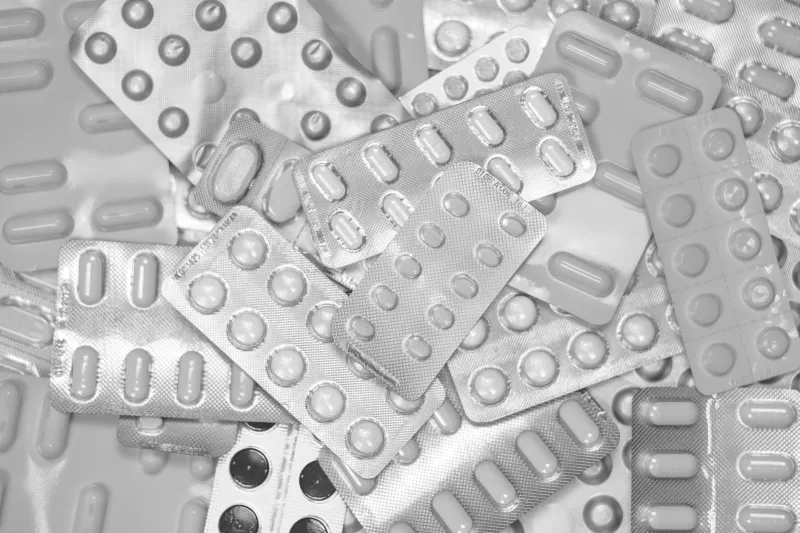
There is a particular kind of clutter that hides in plain sight. Maybe it is a half-used blister pack from a chest infection last winter. Perhaps a bottle of banana-flavoured liquid at the back of the cupboard, or a strip of capsules that seemed too good to throw away. It feels sensible to keep them. After all, they were prescribed for you, and they cost the NHS money. But leftover antibiotics are one of those things that are better returned than retained.
This November, think of it as your household antibiotic amnesty: a short, no-fuss clear-out before winter germs and Christmas chaos take over the kitchen table. No forms, no judgement, and no need to remember which GP prescribed what.
Why leftovers end up in the drawer
Antibiotics do not always finish neatly. A course might be changed because the infection turned out to be something else. Someone might stop early because of side effects, or because they felt better after a few days. A child may refuse the last few doses of a suspension. Tablets can be left over when a hospital or out-of-hours clinician adjusts a prescription.
Life happens. The problem is that the leftover packet then sits there, quietly becoming part of the household furniture. By the time you find it again, the label may be faded, the expiry date may have passed, and nobody is quite sure what it was for. That is exactly why returning it is the practical option.
The trouble with just in case
Keeping antibiotics for a future illness feels thrifty, but it is not a safe way to manage your health. Antibiotics are not generic cold medicine. They treat bacterial infections, not viruses, and different antibiotics suit different infections, doses, ages and circumstances. A leftover course may be the wrong drug, the wrong strength, or simply out of date.
Using old antibiotics without advice can delay the treatment you actually need. It can also cause side effects or interactions with other medicines. Sharing them with a friend or family member is even riskier — what suits one person may be dangerous for another, especially in pregnancy, for children, or alongside regular prescriptions. Liquid antibiotics can deteriorate after opening, and out-of-date medicines may not work as well as they should.
So the kindest thing you can do for your future self is not to save leftovers. It is to hand them back.
What antimicrobial resistance actually means
Antimicrobial resistance can sound like a complicated hospital issue, but it starts with everyday habits. It means bacteria adapting so that antibiotics become less effective against them. It is not that your body becomes immune to antibiotics. It is that the bacteria causing infections find ways to survive.
When bacteria meet antibiotics often enough — or when antibiotics are used when they are not needed — the tougher bacteria can multiply. Over time, infections that used to be straightforward become harder to treat. That is why doctors and pharmacists are careful about when antibiotics are prescribed, and why it matters what happens to the ones we do not use.
This is not about blaming anyone. Most people have a stray packet somewhere. The practical steps are simple: use antibiotics only when they are prescribed for the current illness, take them as directed, never share them, and return any leftovers to a pharmacy. Small habits, repeated across a community, add up.
How returning medicines works at our counter
At Haydon Bridge Pharmacy, you can bring unused or out-of-date antibiotics to the counter during opening hours. There is no appointment and no need to explain your whole medical history. Bring the original box or bottle if you have it, but do not worry if the packaging is missing or the label is unclear. Keep everything in a bag, hand it to a member of the team, and we will place it in the pharmaceutical waste stream.
Please do not put antibiotics in the household bin, and do not flush them down the sink or toilet. Those routes can allow medicine residues into the environment and they are not designed for safe disposal. Returning them to a pharmacy keeps them out of reach of children, pets and anyone who might mistake them for something else.
If you cannot get to us yourself, ask a trusted family member, friend or carer to return them on your behalf. Please do not post medicines. If you are unsure whether something counts as an antibiotic, bring it in and ask — we would much rather help you check than have you guess.
A five-minute November check
Pick a quiet moment and gather all the medicines in your home into one place. Keep your current, in-use medicines separate so they do not get mixed up. Look for antibiotics in particular — blister packs, capsules, tablets, liquids and creams. Check expiry dates, but do not open capsules or break tablets to investigate. If something is out of date, unused, or no longer part of your current treatment, set it aside for return.
While you are there, make a note of anything you are running low on and check your repeat prescription situation before the festive rush. A tidy drawer is not the goal in itself; the goal is knowing what you have, what you need, and what should go back to the pharmacy.
When to ask us
If you have symptoms and are wondering whether you need antibiotics, please do not self-treat with an old packet. Speak to us, contact NHS 111, or see your GP. Community pharmacies can assess some common conditions through NHS Pharmacy First, and we can tell you when something needs a different kind of attention.
If you have had a reaction to an antibiotic or are worried about a current prescription, ask for advice rather than simply stopping or saving the rest. We are a local pharmacy, not a faceless call centre, and a quick conversation often clears things up.
This November, give that drawer a fresh start. Bring your leftover antibiotics back to Haydon Bridge Pharmacy and let us dispose of them safely. It is a small job that makes your home safer, your cupboard clearer, and your community a little better protected.