The Add-to-Basket Check: Vetting an Online Pharmacy from Your Kitchen Table
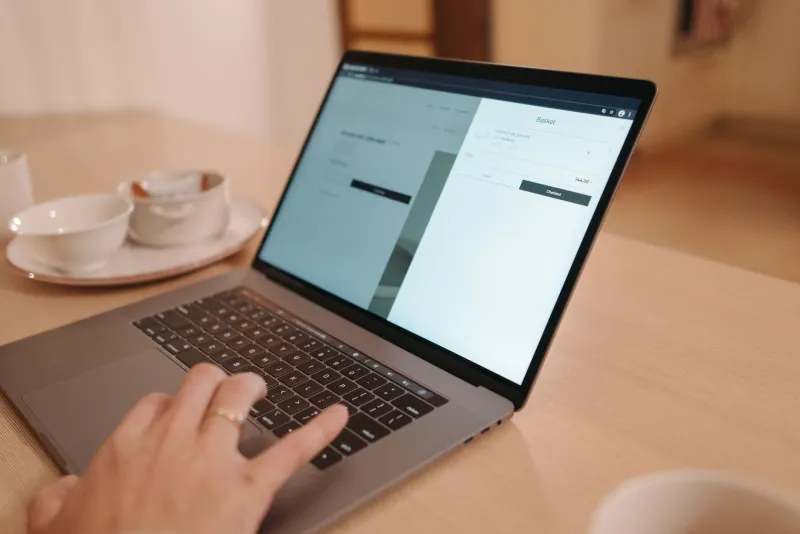
The advert that knows exactly what you want
It might pop up while you are scrolling before bed: a bright little video promising cut-price weight-loss jabs, antibiotics without the fuss of a GP appointment, or a cream that sounds too effective to ignore. The website looks tidy. The reviews are glowing. The price is low enough to make you pause.
That pause is worth listening to.
Buying medicines online is not automatically risky. Many legitimate UK pharmacies, including community pharmacies, offer online services. The problem is that the internet also has plenty of sellers who are happy to take your money without the checks that keep medicines safe. As the nights draw in and more of us shop from the sofa, it is worth knowing how to tell the difference before you tap add to basket.
Why the bargain can be a warning sign
Prescription-only medicines are not ordinary consumer products. They are controlled for a reason: they can interact with other medicines, cause side effects, or be unsafe for people with certain conditions. A seller who offers them without a proper assessment is skipping the part that matters.
Weight-loss injections such as semaglutide and tirzepatide are prescription-only for good reason. Antibiotics are not sweets, either. Taking them when they are not needed can cause side effects and help resistance build up. If a website promises these things with no prescription and no real consultation, that is not convenience. It is a red flag.
Five things that should make you close the tab
- No prescription needed. For prescription-only medicines, this is the clearest warning. A legitimate online service may offer an online consultation, but a real prescriber should still assess you and the medicine should come through a registered pharmacy.
- A price that is far below everyone else. Some genuine discounts exist, but a miracle price on a prescription medicine is often a sign that something is being cut short.
- Pressure tactics. Countdown timers, limited stock warnings and messages urging you to pay quickly are designed to stop you checking.
- No proper contact details. Look for a named pharmacy, a physical UK address and a way to speak to a pharmacist. A website with only a contact form and a mobile number deserves caution.
- Payment by bank transfer or crypto. These offer little protection if things go wrong. A legitimate business should offer normal card payments and proper receipts.
Also be wary of sellers who operate through social media messages, WhatsApp groups or marketplace posts. A friendly DM is not the same as a registered pharmacy. If the seller will not give a pharmacy name, a registration number and a landline, walk away.
The two-minute check that matters most
In the UK, pharmacies must be registered with the General Pharmaceutical Council, usually called the GPhC. The register is free and public. Search the pharmacy name or the registration number on the GPhC website and check that the details match the website you are using.
A legitimate online pharmacy should show its registered pharmacy name, its registration number and its registered premises address. If the site says it is a pharmacy but you cannot find it on the register, do not send money. If the address is a residential house or a virtual office with no pharmacy premises, ask questions. If the only way to contact them is through a social media profile, treat that as a stop sign.
It is also worth checking that the prescriber is real and accountable. A proper online service should explain who is assessing your answers, how they will contact you if something does not add up, and what to do if you have a side effect. You should not feel rushed into a decision by a chatbot or a sales page.
Prescription-only means prescription-only
There is a lot of confusion around online consultations, so it helps to be clear. A legitimate online pharmacy may ask you to fill in a health questionnaire and may have a prescriber review it. That is not the same as selling without a prescription. The key is that a qualified prescriber makes an actual decision, with proper checks, and the medicine is supplied by a registered pharmacy.
If a website offers antibiotics for a chest infection, or weight-loss jabs on demand, without any real assessment, that is not a shortcut. It is a risk. You may get a fake or poor-quality product, the wrong dose, or no useful advice about whether the medicine is safe for you.
If you have already paid
Do not panic, but do act. Contact your bank or card provider promptly and explain what happened. If you paid by bank transfer, it may be harder to recover the money, but your bank can still advise. You can report the seller to the GPhC if they claim to be a pharmacy, and to Action Fraud if you think it is a scam. If you have taken a medicine and feel unwell, seek medical advice. If you suspect a side effect from a medicine, the MHRA Yellow Card scheme lets you report it.
The local option when you are not sure
Not every health problem needs a trip to the GP, and not every online seller is dodgy. But if you are unsure, it is often easier to ask a real person. At Haydon Bridge Pharmacy we can talk through minor illnesses, check whether an online offer sounds legitimate, advise on repeat prescriptions and help you use NHS Pharmacy First where it fits. We are not here to sell you the most expensive option. We are here to help you make a sensible one.
So before you pay for that too-good-to-be-true tablet, do the add-to-basket check. Look for the registration number. Look for a real address. Look for a pharmacist you can actually reach. If any of those are missing, close the tab and give your local pharmacy a ring instead.