Sickness Bugs at Home: A Calm, Room-by-Room Norovirus Plan for Haydon Bridge
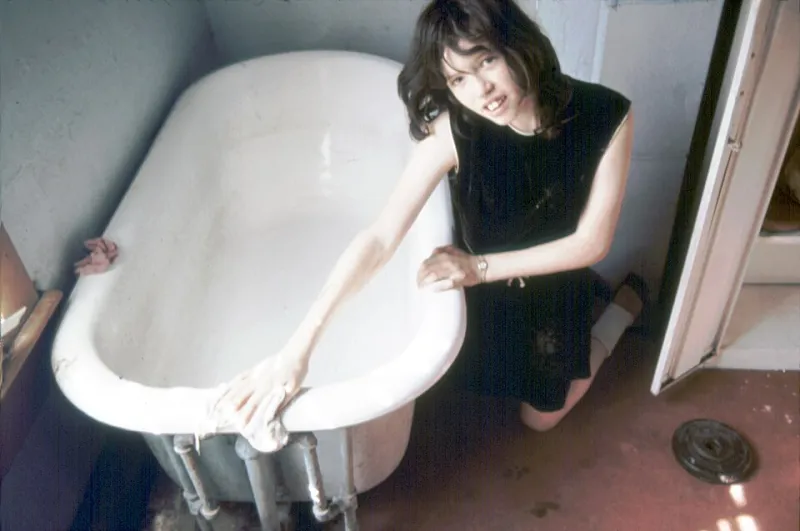
Photo: Kenneth Paik, Public domain, via Wikimedia Commons
There is a reason norovirus has a reputation in the Tyne Valley. It arrives quickly, it spreads easily through a household, and it can make even the fittest person feel thoroughly miserable for a day or two. The phrase '24-hour bug' is tidy and reassuring, but it is not always accurate. Most people start to feel better within two or three days, though the tiredness can linger and the virus can still be passed on after the worst is over.
If someone in your home has sudden vomiting or diarrhoea, the aim is not to find a miracle cure. There is no specific treatment for norovirus, and antibiotics do not help because it is a virus. The practical job is to keep fluids going in, reduce the spread to everyone else, and know which symptoms need a call to the pharmacy or NHS 111.
What you are probably dealing with
Norovirus usually causes sudden nausea, vomiting, diarrhoea, stomach cramps and sometimes a headache, aching limbs or a mild temperature. Symptoms often begin within 12 to 48 hours of contact with the virus. For most healthy adults and children, it settles without medical treatment. The main risk is dehydration, especially in babies, older people and anyone who is already frail or unwell.
It spreads through tiny particles from vomit or diarrhoea. That can happen by touching a contaminated surface and then your mouth, by sharing towels or cups, or by eating food prepared by someone who is infected. It is not simply a case of poor hygiene. Norovirus is very hard-working.
How long to stay away from work or school
Stay off work, school, nursery or social activities until you have been free of vomiting and diarrhoea for 48 hours. That is the standard NHS advice, and it matters. People can still be infectious during that window. If you work in healthcare, childcare or food handling, check with your employer or occupational health as well, because there may be extra rules.
Try not to visit hospitals or care homes while you are unwell or during that 48-hour period. If you are due at work in Hexham or on a shift in Newcastle, it is frustrating, but going back early is a reliable way to pass the bug to colleagues. Rest, fluids and a quiet day or two are genuinely part of the treatment.
Keeping fluids in when someone cannot keep anything down
Small sips are better than a large glass. If someone has just been sick, wait 15 to 20 minutes, then start with a teaspoon or two of water. Oral rehydration salts, often sold as sachets, are useful because they replace sugar and salts as well as fluid. They are not a cure, but they are a sensible pharmacy buy when diarrhoea or vomiting has been going on for a while.
Avoid fizzy drinks, fruit juice and alcohol, which can make diarrhoea worse. Tea and coffee are not ideal either if someone is very dehydrated. For children, offer small amounts often and keep breastfeeding or formula feeding if you can. Signs of dehydration include a dry mouth, dark urine, dizziness, tiredness, fewer wet nappies in babies, sunken eyes or no tears when crying. If you are worried about a baby, an older person or anyone who cannot keep fluids down, seek advice rather than waiting it out.
What helps, and what does not
Paracetamol can help with aches or a mild temperature if the person can take it safely and is not already taking a product containing paracetamol. Check the label and ask us if you are unsure, especially for children or anyone with liver or kidney problems.
Do not reach for anti-diarrhoea medicines such as loperamide for a typical sickness bug unless a clinician has advised it. Slowing the gut is not helpful when the body is trying to clear an infection. Anti-vomiting medicines are usually prescription-only and are not needed for most norovirus cases. Probiotics are popular, but the evidence for norovirus is not strong, so treat them as optional rather than essential.
Cleaning up safely after a bout
This is where many households accidentally spread the bug. Wear disposable gloves if you have them. Clean hard surfaces with a bleach-based cleaner, following the contact time on the label. Pay attention to the toilet flush, seat, handles, taps, light switches, door handles, worktops, phone screens and the bathroom floor. Use separate cloths for the bathroom and kitchen, and wash your hands thoroughly with soap and water afterwards.
Wash bedding, towels and clothing that may have been contaminated on a hot wash, around 60°C if the fabric allows. Do not shake dirty laundry, as that can send particles into the air. If a carpet or soft furnishing is affected, clean it with detergent and allow it to dry thoroughly. Alcohol hand gel is not enough on its own against norovirus; soap and water is the gold standard. Keep the bathroom ventilated and flush the toilet with the lid down where possible.
When to call us or NHS 111
Ring the pharmacy for practical advice on oral rehydration salts, paracetamol doses, interactions with regular medicines, or what to do if a child is refusing fluids. We can talk things through without you needing to bring a poorly child into the shop.
Contact NHS 111 if there are signs of dehydration, blood in vomit or stools, severe abdominal pain, a high temperature that will not settle, symptoms lasting more than about seven days, or if the person is pregnant, elderly, a baby under 12 months or has a long-term condition. Call 999 if someone is confused, collapsed, difficult to wake, has blue lips or seems severely dehydrated.
A small local note
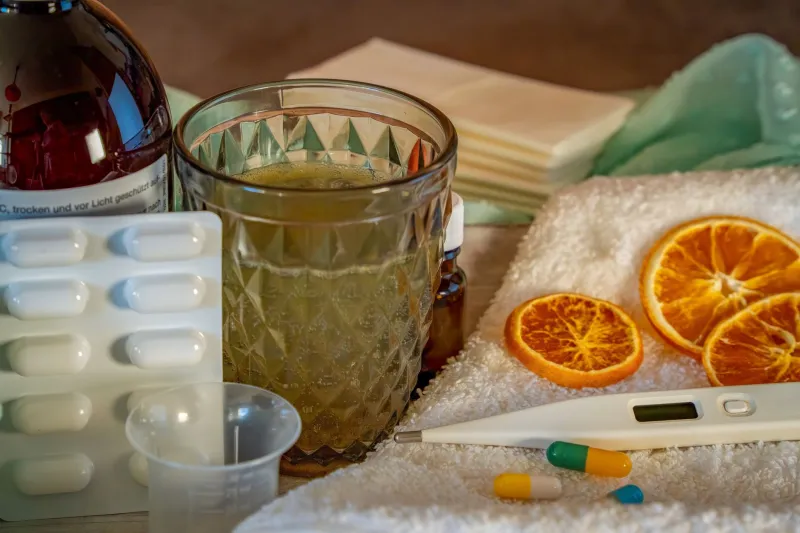
It helps to keep a basic 'sick day' shelf: oral rehydration sachets, paracetamol, a thermometer, bleach-based cleaner, gloves and a spare towel. In a village like Haydon Bridge, where households often look out for each other, a quick text to a neighbour can be more useful than a trip to the shop. If you are unwell, stay home, sip fluids and let us help by phone if you need advice.