Party Season, Prescriptions and the Morning After: A Festive Q&A for Haydon Bridge

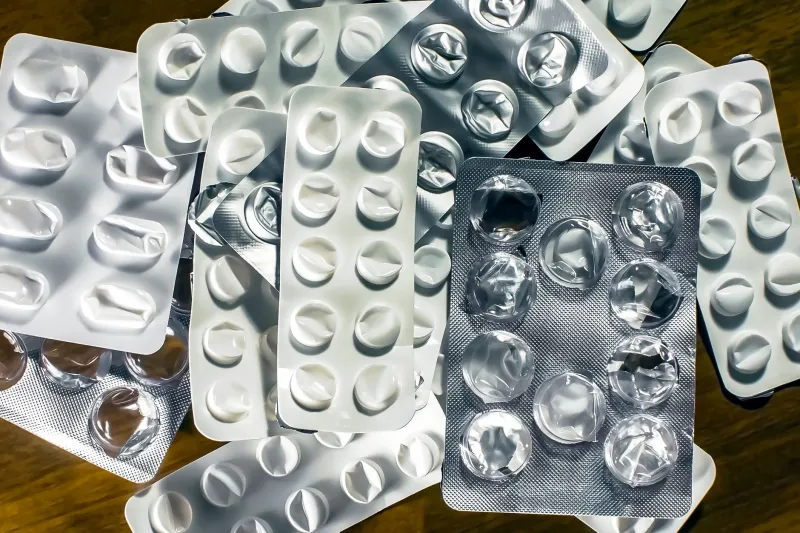
Photo by Photo by Roman on Unsplash on Unsplash
The lights are up on the bridge, the village hall has a date in the diary, and someone has already started talking about mulled wine. It's a lovely time of year — but if you're halfway through a course of tablets, or you take something every day for blood pressure, pain or sleep, the festive calendar can throw up a few questions you'd rather not be googling at 11pm.
So here's the version we'd give you over the counter: friendly, blunt where it needs to be, and with the reassurance that most of it is easily sorted with a bit of forward planning.
Which medicines actually object to a drink?
Let's start with the one in the headline. Metronidazole is a genuinely useful antibiotic — it's used for dental infections, some gut infections and a few other things — but it does not tolerate alcohol. The standard advice is no alcohol while you're taking it and for 48 hours after your last dose. The reaction can be thoroughly unpleasant: flushing, pounding headache, sickness, a racing heart. Not the party you had in mind.
Tinidazole, a cousin of metronidazole, asks for 72 hours clear. Worth knowing if you're finishing a course on a Thursday and the works do is on the Friday.
Beyond antibiotics, the bigger group to think about is anything that makes you drowsy:
- Codeine, tramadol, morphine and other strong painkillers
- Sleeping tablets and medicines for anxiety (diazepam and similar)
- Gabapentin and pregabalin
- Sedating antihistamines — the older ones such as chlorphenamine and promethazine, and the drowsy versions used in some night-time cold remedies
- Some antidepressants, and medicines like baclofen
Add alcohol to any of those and you're not just tipsy — you're potentially very sedated, unsteady on your feet, and at real risk of a fall or an accident on the way home. In a village with dark lanes and uneven pavements, that matters.
Two more worth a mention. If you take insulin or tablets for diabetes, alcohol can push your blood sugar down, sometimes hours later, so eat something and keep an eye on it. And if you're on warfarin, occasional small drinks are usually fine but a heavy session can upset your INR — worth a chat with us or your anticoagulant clinic if you're planning a big night.
"But my antibiotic says nothing on the box"
Quite possibly true. Plenty of antibiotics — amoxicillin, doxycycline, nitrofurantoin — aren't a chemical no-no with alcohol. That doesn't make a bottle of red a good idea, though. If you're ill enough to need antibiotics, your body is busy. Alcohol won't help you shake off the infection, and it won't help you sleep properly either.
Our rule of thumb: check the patient leaflet under the alcohol section, then check with us if it's unclear. It takes two minutes and saves a lot of guesswork.
Timing doses around a night out
A few practical things that come up again and again at the counter:
Take your drowsy medicine at bedtime, not before you go out. If it's a once-a-day tablet that makes you sleepy, taking it when you're actually going to bed is the sensible option. Don't skip it to stay sharp for the party, and don't take a double dose the next morning to catch up.
Don't shuffle your antibiotics to fit the social calendar. They work best at evenly spaced intervals. If you're on four times a day and the timing clashes badly, ask us — sometimes the schedule can be adjusted, but that's a conversation, not a DIY decision.
Set an alarm on your phone. Festive brain is real. A missed dose at 10pm is much more likely when there's a buffet involved.
Eat something. Especially with metronidazole, which some people find rough on the stomach, and especially if you're on diabetes medication.
The honest bit about measures
Mulled wine is usually somewhere between 10% and 14%, and a generous home ladle is rarely a small one. A 250ml glass of 13% wine is around three units. Two of those and you're at the NHS low-risk daily guideline before the sherry comes out.
If you're watching your blood sugar, remember that some mixers and mulled drinks carry a fair amount of sugar. If you're watching your blood pressure, remember that alcohol nudges it up. Nothing puritanical here — just worth knowing so you can pace yourself.
The morning after: the bit people forget
You can still be over the drink-drive limit the morning after a big night, and you can certainly still be unfit to drive. The same goes for a codeine dose taken at midnight for a bad back — you may feel fine, but your reactions won't be what they should be. Plenty of cough and cold remedies contain codeine or a sedating antihistamine too, and some liquid medicines contain alcohol themselves, which is worth a look if you're a driver.
If you're in any doubt at all, don't drive. The train from Haydon Bridge into Hexham is a far better plan than a morning you'd rather forget. And if you're heading out on the A69 or the military road, give yourself the extra hour.
One last warning that comes up every December: don't stack up paracetamol. A hangover plus a cold remedy plus a headache tablet can easily tip you over the 4g-in-24-hours limit. Check the labels of everything you're taking together.
A five-minute check before the first mince pie
- Dig out your repeat prescription list and bring it in — we'll run through it with you
- Ask us about any new short course, especially antibiotics, before you make plans
- Note which of your medicines make you drowsy, and tell whoever you're out with
- Check the leaflet for the alcohol section, and check any cold remedies you've bought
- Plan your doses for the week rather than the night
- Sort your transport home before you go out, not at midnight
There's no appointment needed for a chat like this. Pop into the pharmacy, bring your bag of medicines if it's easier, and we'll go through it. Better to ask us in daylight than to spend the works do wondering whether that second glass was a mistake.
Have a good Christmas, Haydon Bridge. Look after each other on the lanes.