The Half-Finished Blister Pack: Why November Is a Good Time to Empty That Drawer
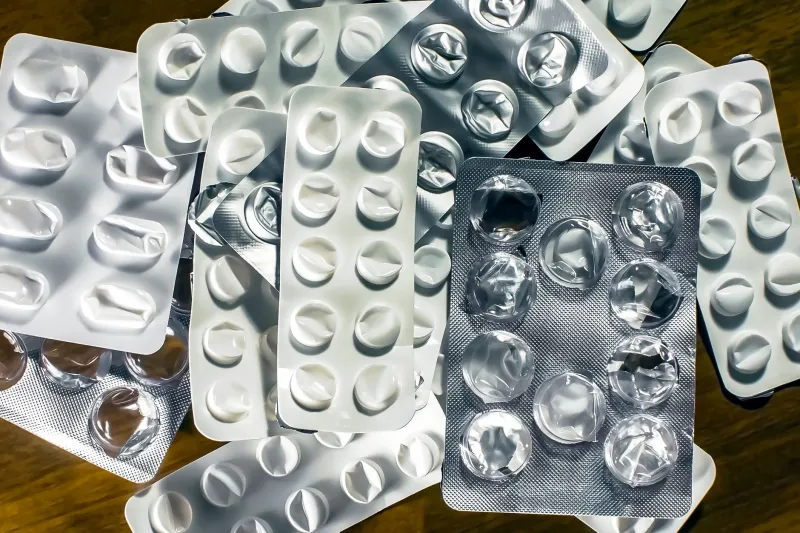
On a grey November afternoon, there is a good chance someone in Haydon Bridge is rummaging through a kitchen drawer looking for a throat lozenge or a spare box of plasters. And there, tucked behind the out-of-date cough syrup, is a half-finished blister pack of antibiotics. Maybe it was for a chest infection last winter. Maybe it was for a dental problem in the summer. Either way, it has been sitting there ever since.
This year, World AMR Awareness Week runs from 18 to 24 November. It is not a campaign designed to wag a finger at anyone. It is simply a useful moment to clear out the medicine cupboard and make sure leftover antibiotics go back to a pharmacy rather than into the bin, down the sink or into the 'just in case' stash.
A drawer, a dark afternoon, and a very common habit
Keeping leftover antibiotics is one of the most ordinary things in the world. Nobody does it because they are being careless. People do it because throwing medicine away feels wasteful, because they are not sure of the rules, or because they think it might save a trip to the doctor next time. That last thought is the one worth gently unpicking.
Antibiotics are not a generic cure-all. They work against bacterial infections, not viruses like the common cold or most coughs and sore throats. And the antibiotic that suited one infection may not be the right one for the next. Dose, duration and type all matter. Using a leftover packet for a different problem can mean the treatment does not work, delays proper advice, or causes side effects you did not need.
Why 'just in case' is not a safe savings plan
Saving antibiotics for later also means saving them without the context that made them safe in the first place. The label was written for a particular person, at a particular time, for a particular infection. Sharing them with a family member is never a good idea, even with the best intentions. Neither is dipping into an old course because you feel rough and think it is probably the same thing again.
There is a wider point too. The more antibiotics are used when they are not needed, the more bacteria get a chance to adapt. That is what antibiotic resistance means, and it is why some infections that were once straightforward to treat are becoming harder. It can sound like a big, abstract issue, but it comes down to small household habits. Keeping antibiotics working for the people who really need them is a community effort, and it starts in ordinary kitchens and bathroom cabinets.
They should not go in the bin or down the sink
When you are having a clear-out, it is tempting to tip old medicines into the household waste or rinse them away. Please don't. Medicines sent to landfill can leach into the environment, and liquids poured down the sink or loo can end up in waterways. That is not a lecture, just a practical reason to use the proper route.
In the UK, community pharmacies can accept unwanted medicines for safe disposal. That includes out-of-date antibiotics, half-finished courses, and medicines you no longer need. You do not need an appointment, and you do not need to explain yourself. It is a normal part of what we do at Haydon Bridge Pharmacy.
How to bring them back to us
Keep the medicines in their original packaging if you can, because the label helps with identification. If you would rather remove personal details, that is fine, but please do not decant tablets into a loose bag or mix different medicines together. For liquid antibiotics, check the cap is tight. If a bottle has leaked, pop it in a sealed bag and mention it when you hand it over.
A simple routine works well: gather the unwanted medicines, put them in a sturdy bag, and bring them to the pharmacy when you are next passing. If you are clearing out for an elderly relative or neighbour, check the cupboard with them rather than for them, so nothing important is taken by mistake. And if you are unsure whether something should go back, ask us. It is better to check than to guess.
What happens after you hand them over
Once unwanted medicines are returned to a pharmacy, they are stored securely and collected by a licensed waste contractor. They are not reissued or passed on. The medicines are then destroyed at a permitted facility, usually by incineration. That keeps them out of landfill and out of the water system, and it means the active ingredients cannot end up where they should not be.
It is a quiet process, but it is an important one. The same system deals with out-of-date inhalers, old painkillers and medicines that have been stopped by a prescriber. Antibiotics are simply one part of a wider safe-disposal habit.
Small habits that keep antibiotics working
You do not need to become an expert in antimicrobial resistance to make a difference. A few everyday habits do most of the work.
- Take antibiotics only when they have been prescribed for you, and follow the instructions on the label. If your prescriber has given you a specific course length, stick to it rather than relying on an old rule of thumb.
- Do not share antibiotics with anyone else, and do not use a leftover course for a new symptom.
- Ask us if you are unsure whether a medicine is still needed, especially after a hospital stay or a change of prescription.
- Keep vaccinations up to date where they are offered, and use good hand hygiene, because preventing infections in the first place reduces the need for antibiotics.
- Return all unwanted medicines to a pharmacy rather than putting them in the bin, the recycling, or down the drain.
If you are not sure, ask
World AMR Awareness Week is a good excuse for a drawer clear-out, but you can bring unwanted antibiotics back to us at any时间 of year. If you are worried about a current infection, or you are not sure whether you should still be taking something, speak to a pharmacist or your GP. We can help you work out the next sensible step without judgment.
This November, take five minutes to check the cupboard. If you find a half-finished blister pack, bring it back to Haydon Bridge Pharmacy. It is a small errand with a genuinely useful purpose, and it helps keep antibiotics working for the people who need them most.