The Christmas Table and Your Medicines: A Festive Food Pairing Check
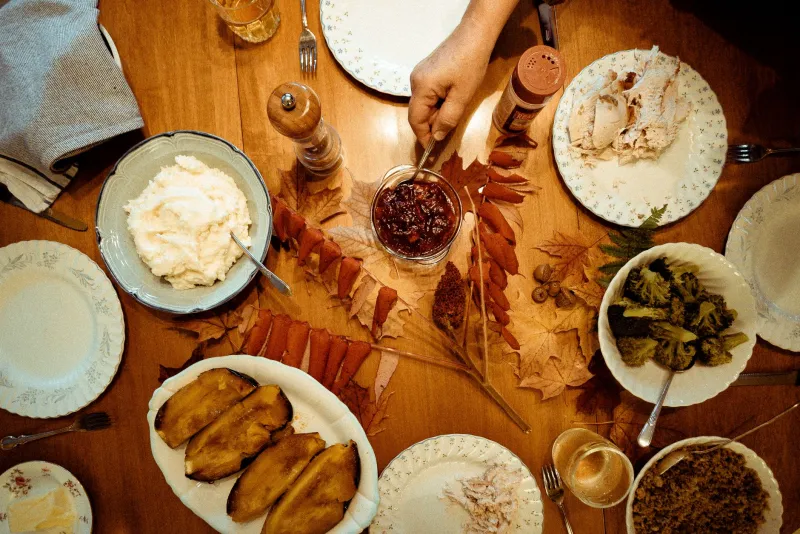
Christmas at home usually means a fuller table, a looser routine and a few more helpings than usual. For most people, that is exactly as it should be. But if you take regular medicines, it is worth knowing that a small number of food and drink pairings can affect how those medicines work. This is not about turning the festive season into a chemistry exam. It is simply about knowing which combinations deserve a second look, and who to ask if you are unsure.
At Haydon Bridge Pharmacy, we would much rather have a calm conversation in early December than a worried phone call on Christmas Eve. So here is a practical guide to the festive pairings that come up most often.
Why Christmas changes the picture
During the rest of the year, most of us eat and drink in a fairly predictable pattern. Christmas disrupts that. Breakfast might be later, lunch might be bigger, and there may be a glass of something with dinner that is not usually there. Leftovers can blur the line between meals, and a new supplement or herbal remedy may appear in the cupboard as a well-meant gift.
None of this is a problem in itself. But medicines are designed to work within a fairly steady routine, and sudden changes can sometimes matter. The good news is that most food and medicine combinations are harmless. The better news is that the ones worth checking are usually easy to identify once you know what to look for.
Grapefruit: the one to check first
Grapefruit is the best-known example for a reason. It can affect an enzyme in the body that helps break down certain medicines, which means the medicine may stay in your system longer or at a higher level than expected.
This matters for some statins, including simvastatin and atorvastatin, and for certain blood pressure medicines, immunosuppressants and a handful of other prescriptions. It does not apply to every statin or every medicine, so the key is not to assume the worst. If you take a regular prescription and you are unsure whether grapefruit is an issue, ask us. Bring your repeat prescription list or the medicine box itself, and we can check it properly.
Please do not stop taking a medicine just because you have read about an interaction. The risk of stopping is often greater than the risk of the food. A quick review is the sensible middle ground.
Cranberry and warfarin
Cranberry sauce is a Christmas dinner staple, and for most people it is not a problem. But cranberry in larger amounts, particularly cranberry juice drunk regularly, can affect warfarin for some patients. It may increase the blood-thinning effect, which can raise the risk of bruising or bleeding.
If you take warfarin, the important word is consistency. A spoonful of sauce with your turkey is very different from a glass of cranberry juice every morning. If your routine is changing over Christmas, or if you are offered cranberry juice regularly, mention it when you next speak to us or to your anticoagulant clinic. Watch for unusual bruising, nosebleeds or blood in your urine, and seek advice if you are concerned.
Dairy and certain antibiotics
Calcium in milk, cheese, yogurt and creamy sauces can bind to some antibiotics and reduce how much of the medicine your body absorbs. This is particularly relevant for tetracycline antibiotics and some quinolone antibiotics. It can also matter for thyroid tablets and certain bone medicines.
Timing is usually the answer. Many of these medicines need to be taken a couple of hours away from dairy, or as directed on the label. If you are on a short course of antibiotics over Christmas, check the instructions rather than guessing. A cheese sandwich at lunch and a tablet at breakfast may be fine, but the spacing needs to be right.
Alcohol is part of the same conversation
Alcohol is not a food, but it sits on the same festive table. It can interact with sleeping tablets, strong painkillers, some diabetes medicines and medicines that make you drowsy. The safest approach is not to assume that a small glass is automatically fine with every prescription. If you take regular medicines and plan to drink, ask us whether there is anything specific to your prescription that you should know.
Timing matters more than panic
The common thread here is not avoidance. It is timing, consistency and knowing your own medicines. Read the label on the box, keep your repeat list up to date, and try to take medicines at roughly the same time each day even when the routine slips.
If you are given a new medicine in December, ask about food at the point of collection. That is exactly what we are here for. You do not need an appointment for a general question about your prescription, and you do not need to feel awkward about asking.
A five-minute check before the table fills up
Before Christmas, pop in with your repeat prescription list or a bag of your medicines. We can look at the whole picture, including anything you buy over the counter and any supplements. We can flag the common pairings, explain which ones apply to you and which do not, and write down any timing instructions if that helps.
Whether you are in Haydon Bridge, Bardon Mill or further up the valley, it is the same calm, local service. A short conversation now can save a lot of second-guessing later.
The Christmas table should be enjoyed, not studied. A little check in advance is all most people need.