Where Should Your Medicines Sleep Tonight? A Winter Storage Guide for Haydon Bridge

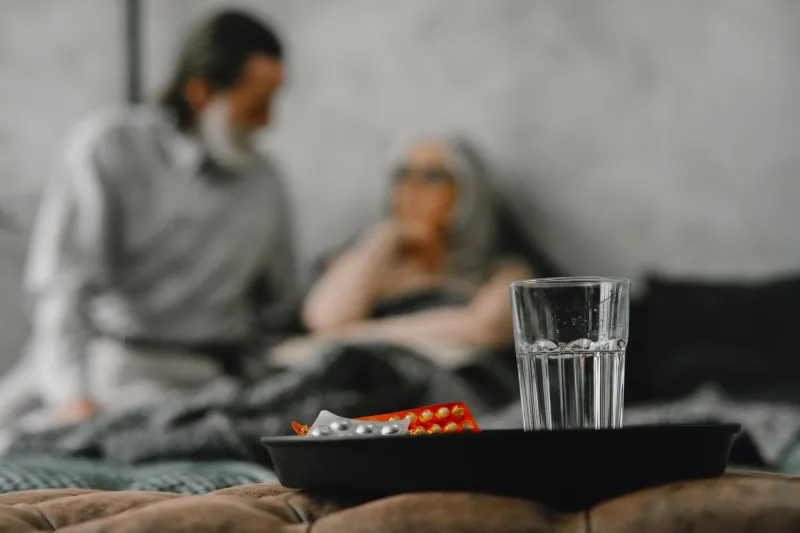
Photo: medicine storage cupboard home tablets inhaler winter, via cdn.pixabay.com
By mid-November in Haydon Bridge, the car often has a white roof by breakfast and the kitchen radiator is doing its best impression of a sauna. We think about grit bins, thermals and whether the boiler is behaving. Medicine storage tends to fall down the list.
That is understandable. Most medicines are tougher than we give them credit for, but they are not indestructible. The label might say store below 25°C, keep dry or protect from light. It rarely says anything about the glovebox, the bathroom windowsill or the shelf beside the cooker. Those are exactly the places medicines quietly end up.
A few simple habits can stop a winter cold snap from turning into a medicine muddle.
The three things medicines dislike most
Heat, damp and frost are the usual suspects. Tablets and capsules can be affected by damp getting into packaging. Liquids can freeze, separate or change consistency. Creams can become grainy or watery after repeated cold and warm spells. Inhalers can be less reliable if they have been stored somewhere very cold or very hot.
The tricky part is that winter storage is not just about temperature. It is about swings. A car can drop below freezing overnight, then warm up quickly when the heater comes on. A bathroom can be steamy at bath time, cold at midnight and sunny at 10am. A kitchen shelf beside a radiator can be warm all evening and cool by morning. Medicines prefer dull, dry and steady.
The car glovebox is not a pharmacy cupboard
It is easy to collect a repeat prescription, pop it in the car and forget about it until the next trip. It is equally easy to keep a strip of painkillers in the glovebox just in case. In winter, that little compartment can get very cold indeed.
If you are picking up medicines on a frosty day, take them straight indoors. If you are travelling further, keep them in a bag in the cabin rather than leaving them in the boot for hours. Do not leave routine medicines in the car between journeys. Inhalers, insulin, liquid antibiotics and creams are particularly worth keeping out of the cold.
If a medicine has spent the night in the car, do not guess. Bring it indoors and let it reach room temperature naturally. Do not put it on a radiator, in hot water or near the fire to speed things up. Check the packaging and the medicine itself, then ask us if you are unsure.
The bathroom windowsill and the steamy shelf
The bathroom feels like a natural home for medicines because that is where the cabinet often is. But bathrooms are damp and changeable. A windowsill can be cold at night, sunny in the morning and steamy after a shower.
A dry cupboard in a living room or bedroom is often a better choice. Keep medicines in their original boxes with the leaflet, away from direct sunlight and well out of reach of children and pets. If you use a lockable box, make sure it is in a room that stays reasonably steady rather than next to a radiator or a window that catches the sun.
The kitchen shelf beside the radiator
The kitchen is the heart of the home, but it is also full of heat and steam. A shelf above the kettle, beside the cooker or right next to the radiator is not ideal for tablets, creams or inhalers. Find a high, dry cupboard away from those warm spots instead.
And only use the fridge if the label tells you to. Some medicines need to be kept between 2°C and 8°C, but many do not. A domestic fridge can be damp and its door shelves fluctuate in temperature every time it opens. If a medicine is meant to be in the fridge, keep it away from the freezer compartment and follow the label or leaflet.
A simple winter home for your medicines
- Keep medicines in their original containers, with the leaflet and the dose instructions.
- Choose a dry, stable cupboard below 25°C, out of direct sunlight.
- Keep them away from radiators, cookers, kettles and steamy bathrooms.
- Store them high up or in a lockable box if there are children or pets around.
- Check the label for fridge instructions rather than assuming.
- Keep inhalers at room temperature and out of cold cars and porches.
- Look at liquids and creams before use. If they have separated, frozen or changed texture, ask us before using them.
If a medicine has been left in the cold
Try not to panic. Bring it indoors and let it settle naturally. Have a look at the packaging and the medicine itself. A blister strip that looks intact may still be fine, but damp or condensation can be a warning sign. A liquid that has frozen or separated, or a cream that has become grainy, is worth checking before you use it.
Do not throw medicines down the sink or in the bin. If a medicine is no longer usable, bring it to the pharmacy and we can dispose of it safely. If it is an important medicine — an inhaler, insulin, heart medicine or something you take every day — do not simply skip a dose. Ask us, or call NHS 111 if we are closed.
Pop in with the box
The easiest way to be sure is to bring the medicine and its packaging to the pharmacy. We can check the storage instructions and talk through whether it is still safe to use. That is much better than relying on a search engine or a half-remembered leaflet.
This winter, give your medicines a dull, dry shelf rather than a cold car or a steamy windowsill. It is a small move, but it helps keep your household ready for the season.